
Planning to travel from Paris to Marseille? Whether you’re heading south for the sunshine, the sea, or the laid-back Mediterranean vibe, getting there is easier than you might think. This practical guide breaks down the best ways to make the journey from high-speed trains and short flights to scenic road trips, so you can choose the option that fits your travel style, budget, and schedule. With a little planning, you’ll be trading the cafés of Paris for the coastal charm of Marseille in no time.

Sunset in the Port in Marseille
Overview of Travel Options from Paris to Marseille
Traveling from Paris to Marseille offers a variety of options, each catering to different preferences and budgets. Whether you’re in a hurry to reach the Mediterranean coast or you’re planning a leisurely journey, there’s a travel mode to suit your needs. With approximately 775 kilometers (482 miles) separating these two iconic French cities, you can choose from high-speed trains, domestic flights, scenic road trips, and even budget-friendly bus rides.
The TGV (Train à Grande Vitesse) high-speed train is often the most popular choice for travelers. It promises a swift and comfortable journey, whisking passengers from the heart of Paris to Marseille in under four hours. For those who prefer the convenience of air travel, numerous flights operate daily between Paris and Marseille, cutting travel time to about one and a half hours. Driving offers the freedom to explore the French countryside at your own pace, while buses provide an economical alternative for budget-conscious travelers.
Each mode of transportation has its own set of advantages and potential drawbacks. The key to a successful trip lies in understanding these options and choosing the one that best aligns with your travel plans. Whether you prioritize speed, cost, or the experience of the journey itself, this guide will help you navigate the possibilities and make an informed decision.
Traveling by Train: The Fastest Route
For those seeking the quickest and most efficient way to travel from Paris to Marseille, the TGV high-speed train is the clear winner. Operated by SNCF, the French national railway company, these trains can reach speeds of up to 320 kilometers per hour (200 miles per hour). This means you can be sipping coffee in Paris in the morning and enjoying a glass of rosé in Marseille by lunchtime.
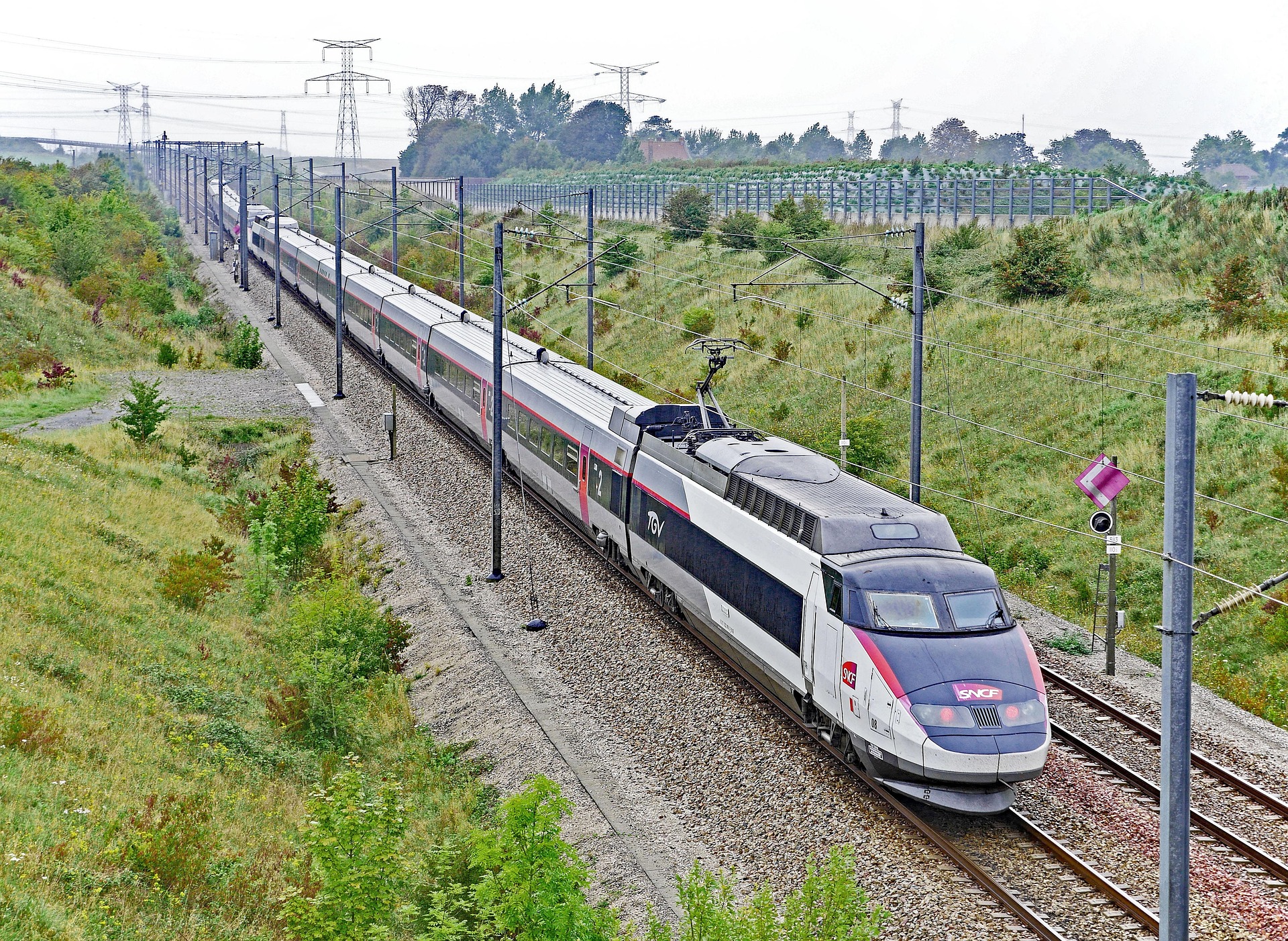
The TGV trains are renowned for their punctuality, comfort, and convenience. With spacious seating, onboard Wi-Fi, and catering services, the journey is both pleasant and productive. Travelers can choose from different classes of service, including Standard, First Class, and Business Première, each offering varying levels of comfort and amenities. Booking in advance is advisable, as it often results in significant savings on ticket prices.
Keep in mind that when traveling by train it’s best to travel light! Getting your bags on/off the train as well as storing them for the journey is easy if you have one roll on and a back pack. More than that could be a bit cumbersome and difficult.
When comparing the travel time by train vs. air remember there’s no security, no check-in two hours before traveling and no waiting for baggage claim!
One of the major advantages of traveling by train is the location of the stations. In Paris, the TGV to Marseille departs from Gare de Lyon, a centrally located and easily accessible station or the CDG Charles de Gaul Airport. In Marseille, the train arrives at Gare de Marseille-Saint-Charles, which is also centrally situated and well-connected to public transport options. This eliminates the need for lengthy transfers and makes the journey as seamless as possible.
Paris to Marseille Train Station Options
When planning your train journey from Paris to Marseille, it’s important to know your departure and arrival stations. In Paris, Gare de Lyon is the primary hub for TGV trains heading south. Located in the 12th arrondissement, Gare de Lyon is one of the city’s major railway stations, and it offers a wide range of facilities and services. From here, frequent TGV departures ensure that you have plenty of options to fit your schedule.
Gare de Lyon is well-connected to the Paris Métro, RER (Réseau Express Régional) suburban trains, and local bus services. This makes it easy to reach from virtually any part of the city. The station itself is equipped with numerous amenities, including restaurants, shops, and waiting lounges, ensuring a comfortable start to your journey. The iconic Belle Époque architecture of the station is an added bonus, offering a glimpse into Parisian history and culture.
If you are arriving in Paris by plane at the Charles de Gaul airport and then immediately taking a train directly to Marseille, follow the signs in Terminal 2 to the Gare or TVG after claiming your bags at baggage claim.
When you arrive in Marseille, you’ll disembark at Gare de Marseille-Saint-Charles. This station is the main railway hub in the city and is conveniently located near the city center. From here, you can easily access local buses, trams, taxis and the Marseille Métro, making it simple to reach your final destination. The station also offers a range of services, including car rental facilities, luggage storage, and dining options, ensuring a smooth arrival experience. If you are staying at the InterContinental Marseille it’s a short taxi ride from the Marseille-Saint-Charles train station to the hotel.
How Many Paris-Marseille Trains Are There Per Day?
The frequency of TGV trains between Paris and Marseille is one of the route’s major advantages. On a typical day, there are approximately 17-20 direct TGV services operating between Gare de Lyon or CDG and Gare de Marseille-Saint-Charles. This means you have a departure option roughly every hour, providing great flexibility to fit your travel plans.
The first train usually departs Paris early in the morning, around 6:00 AM, allowing travelers to reach Marseille by mid-morning. The last train of the day typically leaves Paris in the evening, around 8:00 PM, making it a viable option even for those with a full day of commitments in the capital. This level of frequency is particularly beneficial for business travelers or anyone with a tight schedule, as it allows for same-day travel without significant downtime.
In addition to direct trains (meaning no train changes), there are also several services that include a transfer, often in Lyon or Avignon. While these routes may take slightly longer, they can sometimes be more cost-effective, especially if booked well in advance. It’s worth exploring all available options to find the one that best suits your needs and budget. Your travel advisor can help you compare schedules, prices, and travel durations to ensure you make an informed choice.
Driving from Paris to Marseille: Tips and Route Recommendations
Driving from Paris to Marseille offers an entirely different travel experience compared to the high-speed train. While it may not be the fastest option, it provides unparalleled flexibility and the opportunity to explore the charming French countryside at your own pace. The journey covers approximately 775 kilometers (482 miles) and typically takes around 7-9 hours, depending on traffic and route choices.
The most direct route is via the A6 and A7 motorways, commonly referred to as the “Autoroute du Soleil” (Motorway of the Sun). This well-maintained highway connects Paris to Lyon, and from there, the A7 continues south to Marseille. Along the way, you’ll pass through picturesque regions such as Burgundy and the Rhône Valley, known for their scenic landscapes and world-class vineyards. Consider making a few pit stops to explore these areas and sample some local cuisine.
Before embarking on your road trip, ensure your vehicle is in good condition and equipped for the journey. Check tire pressure, oil levels, and ensure you have a spare tire and necessary tools. It’s also advisable to have a GPS or a reliable map, as well as an understanding of French road signs and regulations. Toll fees are another consideration; the Autoroute du Soleil is a toll road, and costs can add up, so keep some cash or a credit card handy for the toll booths.
Flying to Marseille: When It Makes Sense
For those who prioritize speed and convenience, flying from Paris to Marseille can be an excellent option. Several airlines operate daily flights between the two cities, with a flight duration of approximately one and a half hours, but don’t forget to bake in the time it takes to get to the airport (with traffic) as well as how early you need to get there for your flight. Depending on these factors, it may make air travel the fastest way to reach Marseille. When it may not make sense is when you are flying into CDG internationally and then flying straight to Marseille. You have to consider the risks of missing connections and layover times.

Flights depart from both of Paris’s major airports: Charles de Gaulle (CDG) and Orly (ORY). Charles de Gaulle, located to the northeast of the city, is the largest international airport in France and offers a wide range of amenities and services. Orly, situated to the south, is smaller but still well-equipped and often less crowded. Both airports are easily accessible via public transport, including trains, buses, and taxis.
Upon arrival in Marseille, you’ll land at Marseille Provence Airport (MRS), located about 27 kilometers (17 miles) northwest of the city center. The airport is well-connected to Marseille by various transport options, including shuttle buses, taxis, and car rentals. This makes it easy to reach your final destination, whether you’re heading to a hotel, a business meeting, or a coastal retreat.
Bus Travel: A Budget-Friendly Alternative
For budget-conscious travelers, taking a bus from Paris to Marseille is a viable and economical option. While the journey is longer compared to trains or flights, bus travel offers significant cost savings and can be a comfortable experience with the right preparation. Several companies, including FlixBus, Ouibus, and Eurolines, operate regular services between the two cities.
The bus journey typically takes around 10-12 hours, depending on traffic and the specific route. Buses usually depart from major terminals in Paris, such as Bercy-Seine or Gallieni, and arrive at Marseille’s main bus station, Gare Routière Saint-Charles. This station is conveniently located near the train station and offers easy access to local transport options.
Modern long-distance buses are equipped with various amenities to ensure a comfortable journey. These include reclining seats, air conditioning, onboard restrooms, and Wi-Fi. Some services also offer power outlets, allowing you to stay connected and charge your devices during the trip. To make the journey more enjoyable, bring along snacks, a good book or movie, and a travel pillow for added comfort.
Your Travel Advisor Can Help You Explore and Book the Best Options
Navigating the various travel options from Paris to Marseille can be daunting, but a travel advisor can simplify the process and help you make the best choice. Our travel advisors have extensive knowledge of transportation options, schedules, and pricing, and can offer personalized recommendations based on your preferences and budget. They can also assist with booking tickets and making any necessary arrangements, ensuring a hassle-free travel experience.
Using a travel advisor can also provide access to exclusive deals and discounts that may not be available to the general public. Whether it’s securing a lower fare on a TGV train, finding the best flight options, or arranging a rental car for a road trip, a travel advisor can help you get the most value for your money. They can also provide valuable insights and tips, such as the best times to travel, what to pack, and how to make the most of your time in Marseille.
In addition to transportation, travel advisors can assist with other aspects of your trip, such as accommodation, activities, and dining recommendations. This comprehensive approach ensures that all elements of your journey are well-coordinated and tailored to your preferences, allowing you to focus on enjoying your trip. Whether you’re a seasoned traveler or planning your first visit to Marseille, a travel advisor can provide the support and expertise needed to make your journey a success.
Conclusion – Getting from Paris to Marseille
Traveling from Paris to Marseille offers a range of options to suit different preferences, budgets, and schedules. From the swift and comfortable TGV high-speed trains to the convenience of short flights, the freedom of a road trip, or the affordability of bus travel, each mode of transportation has its own unique advantages. Understanding these options and planning accordingly can ensure a smooth and enjoyable journey.

Basilique Notre-Dame de la Garde in Marseille, France
Whether you’re drawn to the cultural vibrancy of Paris or the coastal charm of Marseille, the journey between these two cities is an adventure in itself. By choosing the right travel option and making the most of the available resources, you can create a memorable and stress-free travel experience. Call us today so we can help you plan your ideal trip from Paris to Marseille.
· Meet Our Travel Advisors ·